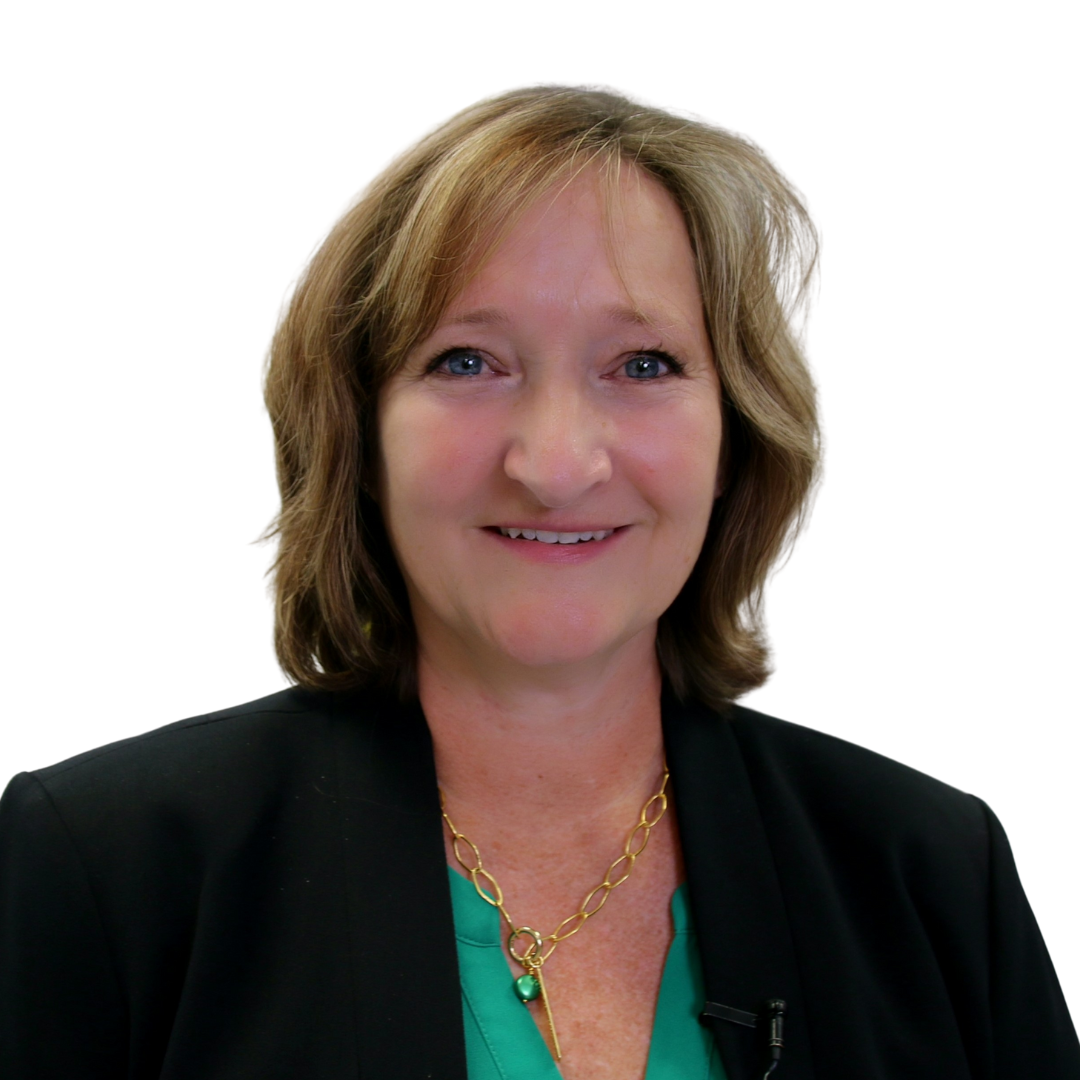
Connie Schumacher, RN, PhD
Episode Date: Wednesday September 17, 2025
In this episode of Radical Nurse Talk, host Patricia Strachan speaks with Dr. Connie Schumacher, RN, PhD, about how nurse-led conversations can play a key role in helping people with chronic illness live better at home and reduce the need for emergency department visits. Together, they explore the impact of relational nursing, mutual care planning, and person-centered communication as vital tools in improving patient outcomes and supporting autonomy.
Dr. Connie Schumacher is an Associate Professor in the Department of Nursing at Brock University and an AMS Fellow in Compassion in Artificial Intelligence. She brings over 25 years of clinical nursing experience to her research and teaching, with a background in cardiac care, emergency care, and home and community care. Her clinical practice includes eight years in cardiac care, twelve years in emergency departments, and seven years working in Ontario’s home care system through the Community Care Access Centres and Local Health Integration Networks.
Her research focuses on chronic disease management using qualitative and mixed methods. She has particular expertise in interviews, focus groups, and sharing circles. One of her recent projects involved the use of the interRAI DIVERT scale, a tool that helps identify individuals at risk of visiting the emergency department. Through this work, she led a nurse-led intervention adapted from the Ontario Rapid Response Nurse initiative. The intervention provided self-care education and health system navigation support to patients living with chronic and unstable conditions. The study demonstrated that thoughtful nursing communication and targeted support can prevent unnecessary hospital visits and improve quality of life.
In the episode, Dr. Schumacher also speaks about the importance of respecting patients’ goals and preferences, even when they differ from clinical recommendations. She emphasizes that honoring autonomy is a key aspect of person-centered care, especially in the context of chronic illness and palliative approaches.
In addition to her work in chronic disease, Dr. Schumacher is currently the primary investigator for a multi-provincial study funded by the Alzheimer Society of Canada. The study focuses on caregivers who are at risk of caregiver burden, highlighting the essential role that caregivers play in supporting individuals with dementia and other long-term conditions. She is also a member of the international iCARE interRAI working group, which is involved in implementing a new caregiver assessment tool known as the Self-Reported Carer Needs Assessment.
This episode challenges common assumptions about self-management, reframes nursing communication as a meaningful intervention, and brings attention to the often-invisible relational labor that nurses and caregivers perform every day. It is a powerful reminder of how skilled conversations can serve as a form of care, support patients in remaining at home, and create better outcomes for individuals and families living with chronic illness.
Resources:
Home care nursing visits and same-day emergency department use: Which patients are most at risk?
 Radical Nurse Talk
Leave a comment